The Unsung Hero: Recovery & Sleep
Training breaks your body down. Recovery builds it back up. If you ignore sleep, you are doing 100% of the work for 30% of the results.
The Growth Phase
A gym is a place of structural damage. When you lift heavy weights, you are physically tearing muscle fibers and exhausting your central nervous system (CNS). Absolutely zero muscle growth or fat loss occurs while the barbell is in your hands.
Growth occurs exclusively during recovery, specifically during deep, slow-wave sleep. During this phase, the pituitary gland releases human growth hormone (HGH), which stimulates tissue repair, muscle growth, and fat metabolism. Shortchanging your sleep by even two hours can severely blunt this hormonal cascade.
Measuring Recovery: The Wearables Era
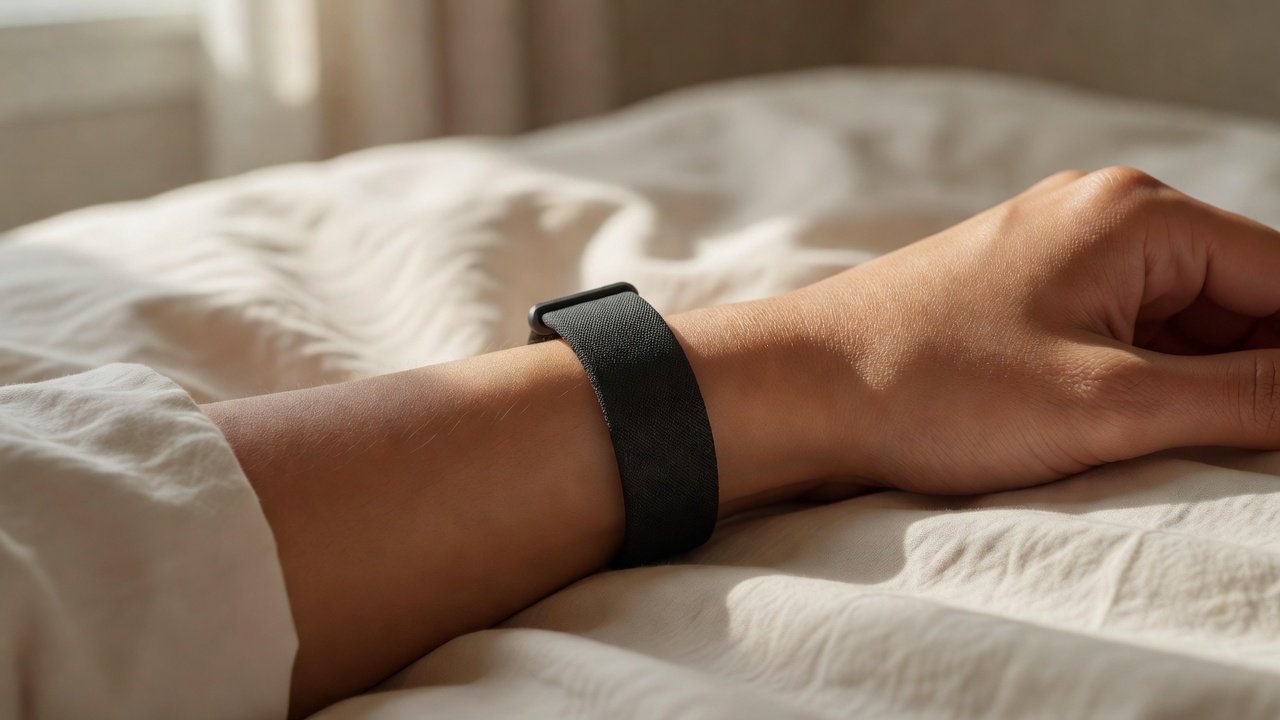
Subjective feelings of fatigue are often misleading. Modern wearable technology tracks Heart Rate Variability (HRV), resting heart rate, and sleep architecture to give you an objective score of your biological readiness to train.
| Device | Form Factor | Strengths |
|---|---|---|
| WHOOP | Screenless Band | Industry leader in strain and recovery algorithms. Unobtrusive, designed to be worn 24/7. Subscription based. |
| Oura Ring | Smart Ring | Highly accurate temperature sensing and sleep staging. Ideal for those who dislike wearing wristwatches. |
| Garmin (Fenix/Epix) | Smartwatch | Exceptional GPS and multisport tracking combined with "Body Battery" recovery metrics. No subscription fee. |
Active vs. Passive Recovery
Passive recovery is doing nothing: sitting on the couch, sleeping. While sleep is non-negotiable, integrating active recovery on your rest days can accelerate tissue repair by promoting blood flow without adding CNS strain.
- Zone 1 / Zone 2 Cardio: A brisk 30-minute walk or light cycling. It flushes metabolic waste (like lactate) from the muscles and delivers oxygen and nutrients to repairing tissues.
- Mobility Work: Yoga, dynamic stretching, or using a foam roller. This maintains joint range of motion and prevents the fascial tightening that often accompanies heavy resistance training.
- Thermal Stress: Saunas and cold plunges. While the science on immediate post-hypertrophy cold plunging is mixed (it may actually blunt the inflammatory response needed for muscle growth), saunas provide cardiovascular benefits and promote the release of heat shock proteins.
Sleep Hygiene Protocols
To maximize sleep quality, you must respect your circadian rhythm. Keep the bedroom pitch black, optimally cooled to around 65°F (18°C), and cease all exposure to blue light (screens) at least 60 minutes before bed. Supplements like Magnesium Glycinate can also calm the CNS pre-sleep, but nothing replaces a disciplined bedtime routine.
Next: Form Over Ego →