Form Over Ego: Injury Prevention
An injury will set you back six months. Dropping the weight by 20 lbs to perfect your biomechanics sets you up for a lifetime of pain-free lifting.
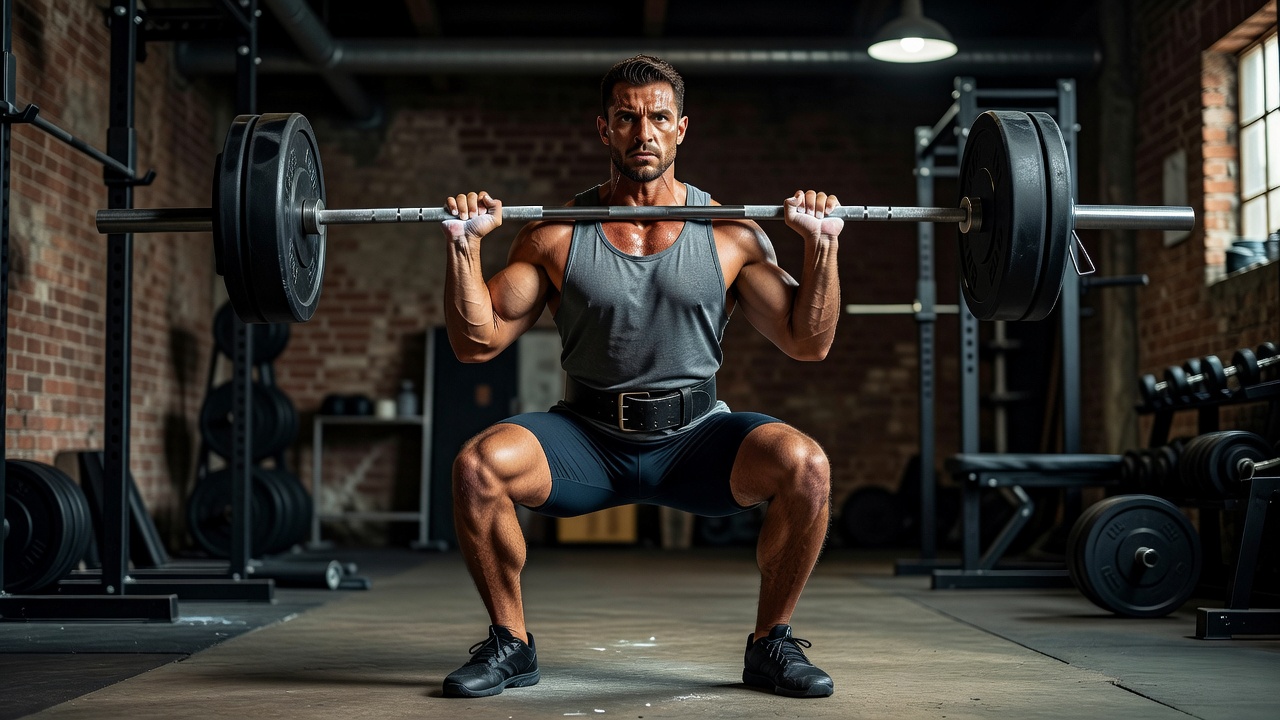
The Illusion of Strength
Ego lifting is the practice of loading more weight onto a bar than your musculoskeletal system can safely handle, resulting in severe breakdowns in form. Half-repping a 315 lb squat might look impressive to the uninitiated, but it fails to stimulate the target muscles through a full range of motion and dangerously loads the joints and connective tissues.
Biomechanics rule the gym. If your spine rounds heavily during a deadlift, the shear force is transferred from the robust glute and hamstring muscles directly into the vulnerable lumbar discs. The physics do not care about your ego.
Protective Gear: Tools, Not Crutches
Supportive gear has a place in heavy strength training, provided it is used to enhance a stable foundation rather than mask a weak one.
| Equipment Type | Purpose | Industry Standard Brands |
|---|---|---|
| Lifting Belts | Increases intra-abdominal pressure to stabilize the spine during heavy compound lifts (squats, deadlifts). | Inzer, SBD, Rogue Fitness |
| Knee Sleeves | Provides warmth and mild compression to the knee joint, increasing proprioception and blood flow. | Rehband, SBD |
| Lifting Straps | Removes grip strength as a limiting factor on heavy pulling movements (rows, RDLs). | Versa Gripps, IronMind |
The Bracing Sequence
Core stability is the prerequisite for all heavy lifting. Before you unrack a bar or initiate a pull, you must brace correctly. This is not simply "sucking your stomach in." Proper bracing involves expanding the diaphragm 360 degrees outward against your abdominal wall (and lifting belt, if wearing one).
Think of your torso as an empty soda can. If it's unpressurized, it's easily crushed. If it's pressurized and sealed, you can stand on it. You must pressurize your core before every single repetition of a heavy compound movement.
When to De-load
Linear progression cannot last forever. If you notice your form breaking down—if your knees cave in during squats, your hips shoot up early on deadlifts, or your back violently arches on the bench press—it is time to de-load. Drop the weight by 10-15%, reset your technique, and build back up. Longevity in fitness belongs to the patient.
Back to Home →